
What Causes Sagging Gutters and Why It Needs Immediate Professional Attention

A sagging gutter is easy to dismiss. The gutter is still attached. It still catches some water. It has not fallen. The problem is that a sagging gutter is not a stable condition. It is an actively progressing one, and every week it is left unaddressed moves the damage further down a sequence that starts at the gutter, reaches the fascia board behind it, and eventually involves the foundation perimeter, the basement, and the roof edge.
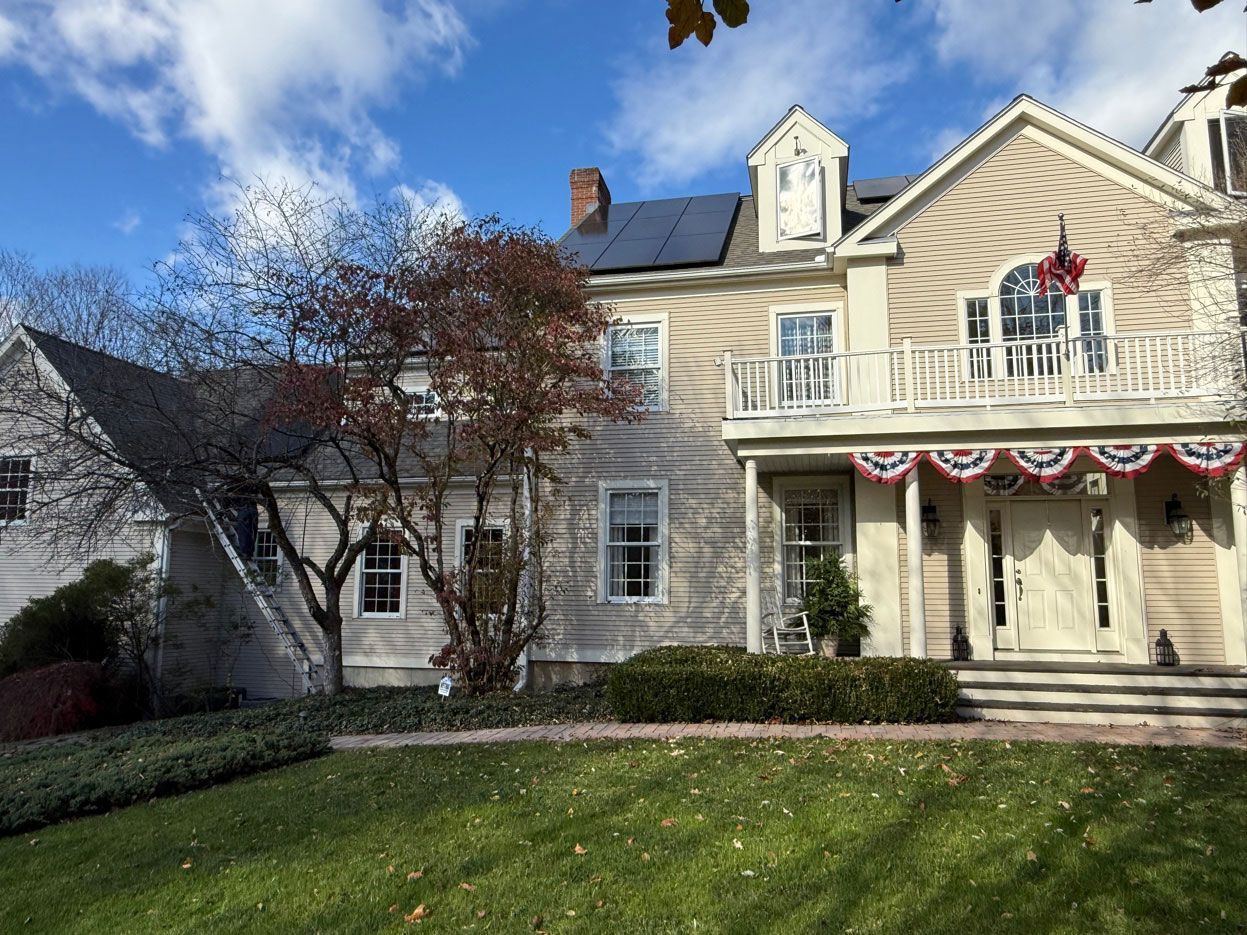
Connecticut shoreline homeowners in Branford, Guilford, Madison, Old Saybrook, Old Lyme, Westbrook, North Branford, and East Haven face specific conditions that make sagging gutters both more common and more consequential than the same problem on a home in a milder climate. Forty-eight inches of annual rainfall, sustained nor'easter winds, winter ice loading, and repeated freeze-thaw cycles all apply stress to the gutter system across every season. A sagging section that develops in November enters winter carrying that structural deficit into the most demanding weather conditions of the year.
This guide covers every cause of sagging gutters, what the progression looks like if the problem is not addressed, and why professional assessment and repair is the correct response rather than a temporary DIY fix that does not address the underlying condition.
What Is Actually Happening When a Gutter Sags
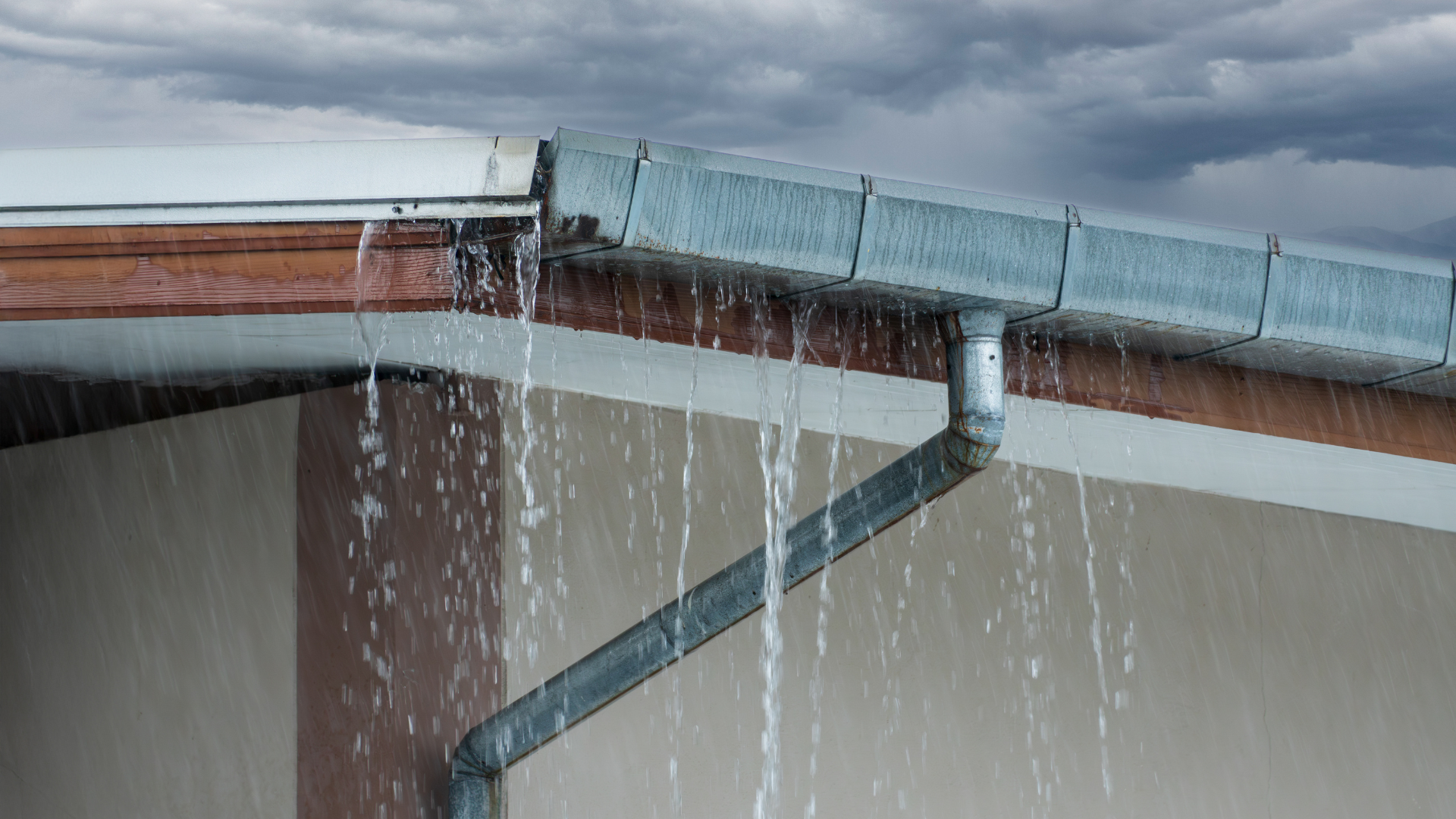
A gutter is designed to sit at a precise slope, typically about one quarter inch of drop per ten feet of horizontal run, so that water flows continuously toward the downspout rather than sitting in the channel. When a section sags, that slope is disrupted. The sagged section becomes a low point where water pools, debris accumulates, and weight concentrates rather than distributing across the entire run.
According to industry guidance from roofing and gutter professionals, gutters should slope slightly toward the downspouts, and when that pitch is disrupted by even a small sag, water cannot flow uphill out of the low point. The pooling that results adds weight, which deepens the sag, which pools more water. The progression is self-reinforcing without external intervention.
The weight consequences are specific and documented. Each gallon of water weighs approximately 8.3 pounds. A sagged section of gutter holding six inches of standing water across a ten-foot run carries substantially more weight than the hanger system was designed to support in that configuration. Add compacted debris, add ice in winter, and the load on the fasteners connecting the gutter to the fascia increases further.
The Five Causes of Sagging Gutters on Connecticut Shoreline Homes
Sagging gutters do not develop from a single cause in most cases. They develop from a combination of conditions that accumulate over time. Understanding which combination applies to a specific gutter section determines whether the correct repair is a hanger replacement, a fascia repair, or a full system replacement.
1. Debris Accumulation and Standing Water Weight
The most common cause of sagging gutters is a load the system was not designed to carry continuously. Leaves, seed pods, shingle granules, and organic matter accumulate in gutter channels over months. This material retains moisture, compacts under its own weight, and adds load to the hanger system on a sustained basis rather than only during rain events.
According to published gutter maintenance guidance, gutters that have not been cleaned regularly tend to fill up with leaves, sticks, and debris, and this extra weight puts constant stress on the gutter system, pulling it downward. In Connecticut's shoreline communities, the debris load from mature oak, maple, and sycamore canopies in communities like Guilford and North Branford is among the heaviest in the region. A gutter that fills with wet leaf mat through October and is not cleaned before winter carries that load through every freeze-thaw cycle until spring.
2. Loose, Failed, or Incorrectly Spaced Hangers
Gutters are secured to the fascia through hanger brackets spaced at regular intervals. Industry standards call for hangers spaced no more than 24 to 32 inches apart, with closer spacing required in climates with significant ice and snow loading. When hangers are spaced too far apart during the original installation, the unsupported sections of gutter bow downward under their own weight over time, particularly when loaded with water or debris.
Hangers that were correctly spaced at installation can also fail over time. Gutter spike fasteners, which were the standard hardware in older Connecticut installations, work their way out of the fascia wood through repeated thermal cycling and load stress. Once a spike has partially pulled free, the section of gutter it was supporting begins to drop. A loose spike does not tighten itself back into the wood. The gap it leaves continues to widen with every rain event and every freeze cycle.
According to This Old House, if gutters are sagging because a spike has come loose, the correct repair is not to hammer the spike back in but to replace the spike with a screw-type hidden hanger driven into a new location in the fascia board, patching the original hole with gutter sealant. Simply redriving a loose spike into the same hole produces a temporary hold in wood fiber that is already compromised.
3. Rotted or Compromised Fascia Board
This is the cause that most property owners do not discover until a professional assessment reveals it. The fascia board is the wood surface to which every gutter hanger is fastened. When the fascia softens from moisture exposure, the fasteners no longer have solid wood to grip. A hanger screwed into rotted fascia will pull free under load regardless of how securely it was initially installed.
Fascia rot develops from gutter overflow that repeatedly wets the wood surface behind the gutter, from leaking gutter joints that direct water against the fascia rather than channeling it away, and from inadequate paint or sealant on older wood fascia that allows moisture absorption. On Connecticut shoreline properties, particularly in older neighborhoods in Madison, Old Saybrook, and East Haven where homes were built with original wood fascia, this is a frequent finding during gutter repair assessments.
The practical consequence is that a sagging gutter on rotted fascia cannot be fixed by replacing the hangers alone. The fascia must be repaired or replaced before the new hangers have anything solid to grip. A contractor who rehang a sagging gutter on compromised fascia has not fixed the problem. They have reset the clock on the same failure.
4. Winter Ice Loading and Freeze-Thaw Damage
Connecticut's winter produces the gutter loading conditions that reveal every pre-existing weakness in the system. Ice that forms in a sagged section because standing water cannot drain adds significant weight concentrated at the low point. According to verified sources covering Connecticut and New York winter gutter conditions, ice and snow increase the weight gutters must support, and over time this extra load causes brackets or fasteners to loosen, sections to sag, and in more severe cases, sections to pull away from the fascia board entirely.
The freeze-thaw cycle compounds the damage. Water in a gutter that freezes overnight expands by approximately 9 percent, applying outward pressure on gutter joints, end caps, and the fastener connections to the fascia. When that ice thaws during the day and refreezes at night, the cycle repeats, progressively widening any gap in the system that the initial freezing created. A gutter section that entered November with a loose hanger and a minor sag exits winter in significantly worse condition than it entered it.
Ice dams add another dimension on the Connecticut shoreline. When ice forms at the eave from heat escaping through the roof, it backs up behind the gutter and adds to the load on an already-stressed system. According to published guidance on Connecticut ice dam conditions, gutters that are pulling and sagging from ice weight are not a cosmetic issue. Those gaps let water get behind the gutter and soak the fascia wood.
5. Original Installation Errors
Some sagging gutters are not the result of aging or weather damage. They are the result of installation that was incorrect from the start. Installation errors that produce sagging over time include:
- Incorrect initial slope: A gutter installed without the correct pitch toward the downspout creates standing water from the first rain event. That standing water adds weight continuously, and the hanger system fails progressively from the low point outward.
- Insufficient hanger count: A professional gutter installation uses the correct number and type of hangers for the material, the gutter profile, and the climate. An installation that uses fewer hangers than the system requires to achieve adequate spacing produces bowing between hangers that appears within the first few seasons.
Undersized gutter profile: A gutter sized too small for the drainage area it serves overflows during moderate rain events, subjecting the system to repeated high-volume loads. The overflow also wets the fascia consistently, initiating the moisture exposure cycle that leads to rot.
What Happens If Sagging Gutters Are Not Addressed
The progression from a sagging gutter to structural damage follows a consistent sequence that accelerates with each season the problem is not corrected.
Stage 1: The sagged section pools water after every rain event.
Water cannot drain uphill out of the low point. Standing water adds weight, deepens the sag, and begins the corrosion process on the interior of the aluminum channel.
Stage 2: The fascia behind the sagged section absorbs moisture.
Water that overflows the front of a sagged gutter or backs up between the gutter and the fascia wets the wood repeatedly. Paint fails at the contact point. The wood begins absorbing moisture. Fascia replacement in Connecticut typically runs $6 to $30 per linear foot, according to contractor pricing data. A fifteen-foot section of rotted fascia costs $90 to $450 in material and labor before the gutter can be rehung.
Stage 3: The hanger connection to the fascia begins to fail.
As the fascia softens, the fasteners lose their grip progressively. The sagged section drops further. The adjacent sections begin to be pulled out of alignment by the weight of the failing section. What was one sagging section becomes a misaligned run.
Stage 4: The gutter separates from the fascia.
When the fastener connection fails completely, the gutter section detaches. In Connecticut's winter conditions, a detached gutter section loaded with ice can fall suddenly. The falling section frequently tears additional fascia with it, converting a repair into a more extensive project involving both new gutters and carpentry.
Stage 5: Foundation and basement damage from redirected overflow.
A gutter that is not channeling water correctly in Connecticut is directing that water somewhere it is not supposed to go. Foundation crack repairs in Connecticut typically start at $3,000 and can exceed $15,000 for serious structural work, according to published contractor data for the region. The overflow that produces those cracks came from gutters that were not functioning correctly.
Why Professional Repair Is the Correct Response
Sagging gutters present two DIY challenges that most homeowners underestimate until they are on a ladder with the problem directly in front of them.
The first is safety. Working at height on an unsteady ladder while assessing and repairing a gutter that may be holding significant debris weight, addressing a fascia board that may be softer than expected, and doing all of this at arm's reach from the ladder is the work environment that produces the majority of ladder-related injuries in home maintenance.
The U.S. Consumer Product Safety Commission documents approximately 165,000 emergency room visits per year from improper ladder use.
The second is diagnosis accuracy. A sagging gutter that appears to need a new hanger may actually need fascia repair before any hanger will hold. A gutter that appears to sag from debris load may have an original installation slope error that will cause the section to sag again after cleaning. The professional assessment identifies the actual cause before the repair begins, producing a fix that addresses the condition rather than the symptom.
CT GutterPro's repair assessment covers every factor that contributes to gutter sagging: hanger condition and spacing, fascia integrity behind the affected section, pitch verification across the full run, downspout flow confirmation, and debris load. The repair scope is determined by what the assessment finds, not by what the problem looks like from the ground.
What the Repair Involves
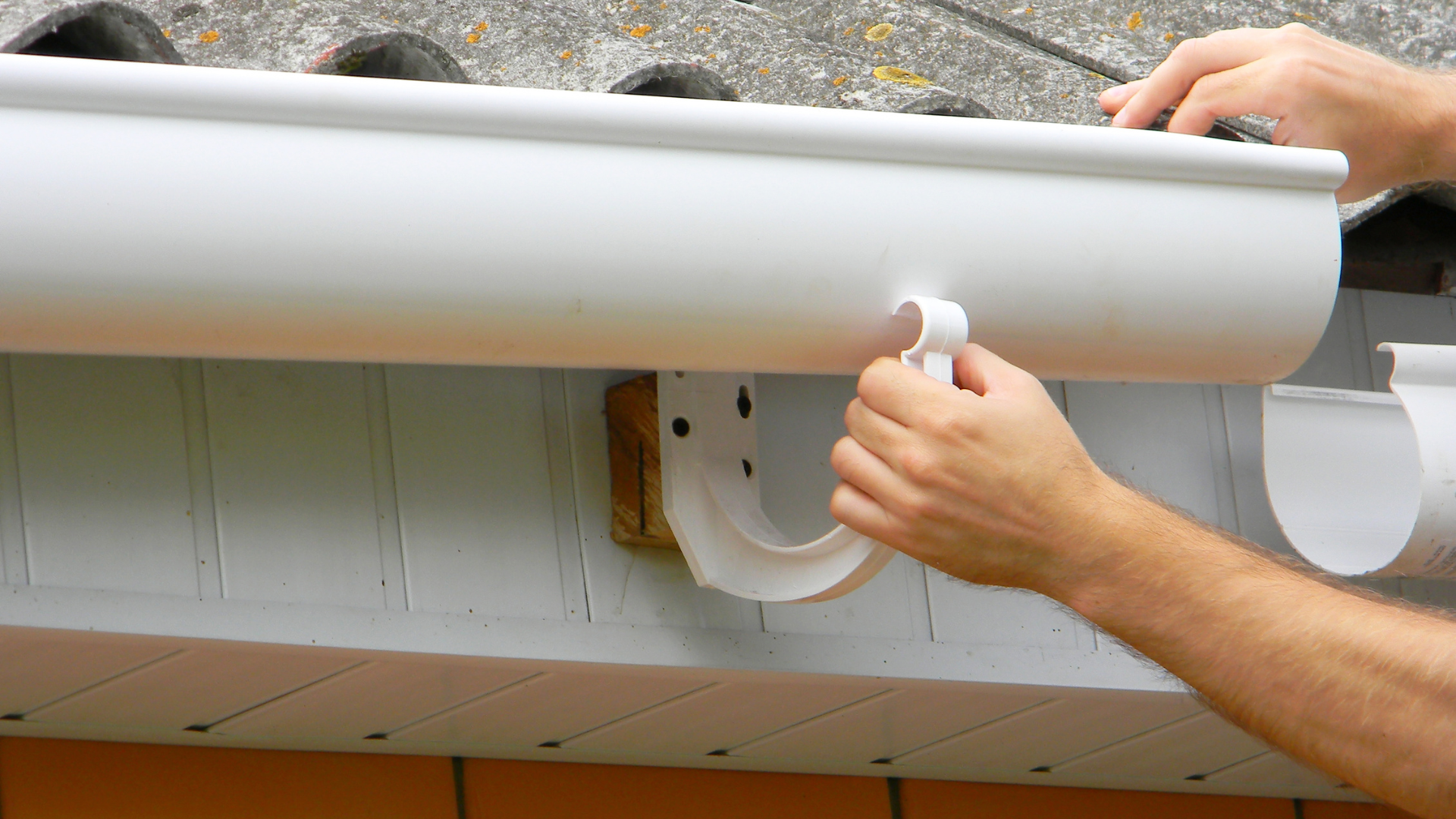
For sagging gutters where the fascia is sound, the repair involves removing the affected section, clearing debris, replacing spike-type fasteners with screw-type hidden hangers at correct spacing, restoring the proper pitch toward the downspout, resealing any compromised joints, and rehinging the section at the correct height relative to the roofline.
For sagging gutters where the fascia is compromised, the repair sequence is fascia repair or replacement first, followed by gutter rehinging. Attaching new hangers to damaged fascia produces a temporary hold that fails again under the first significant load.
For sagging that results from original installation errors, including incorrect slope or undersized gutter profile, the correct resolution may involve section replacement rather than adjustment, particularly when the existing gutter material has also degraded through the years of incorrect drainage.
CT GutterPro serves Branford, Guilford, Madison, Old Saybrook, Old Lyme, North Branford, East Haven, New Haven, and Westbrook with gutter repair, fascia and soffit repair, cleaning, installation, and gutter guard services. Free assessments are available for any gutter issue that a property owner has questions about, with honest guidance on what the repair involves and what it will cost before any work begins.