
Why Ice Dams Keep Forming on Madison Homes and How Heat Cable Can Help

Every gutter system, regardless of construction method, has to manage the expansion and contraction that comes from temperature change. Metal expands when heated and contracts when cooled, and Connecticut's climate produces significant temperature swings across every season: hot, humid summer days followed by cool nights, and winter conditions that cycle through freezing and thawing repeatedly.
Recurring ice dams are a water-movement problem created when snow melts on a warmer roof area and refreezes at a colder edge. As the frozen ridge grows, later meltwater can pool behind it, move beneath roofing, or spill into gutters that no longer drain. Effective ice dam prevention in Madison, CT starts by identifying why the roof is warming and where the drainage route closes. Roof heat cable can help at specific freeze points, but it should not be mistaken for a complete correction to every underlying cause.
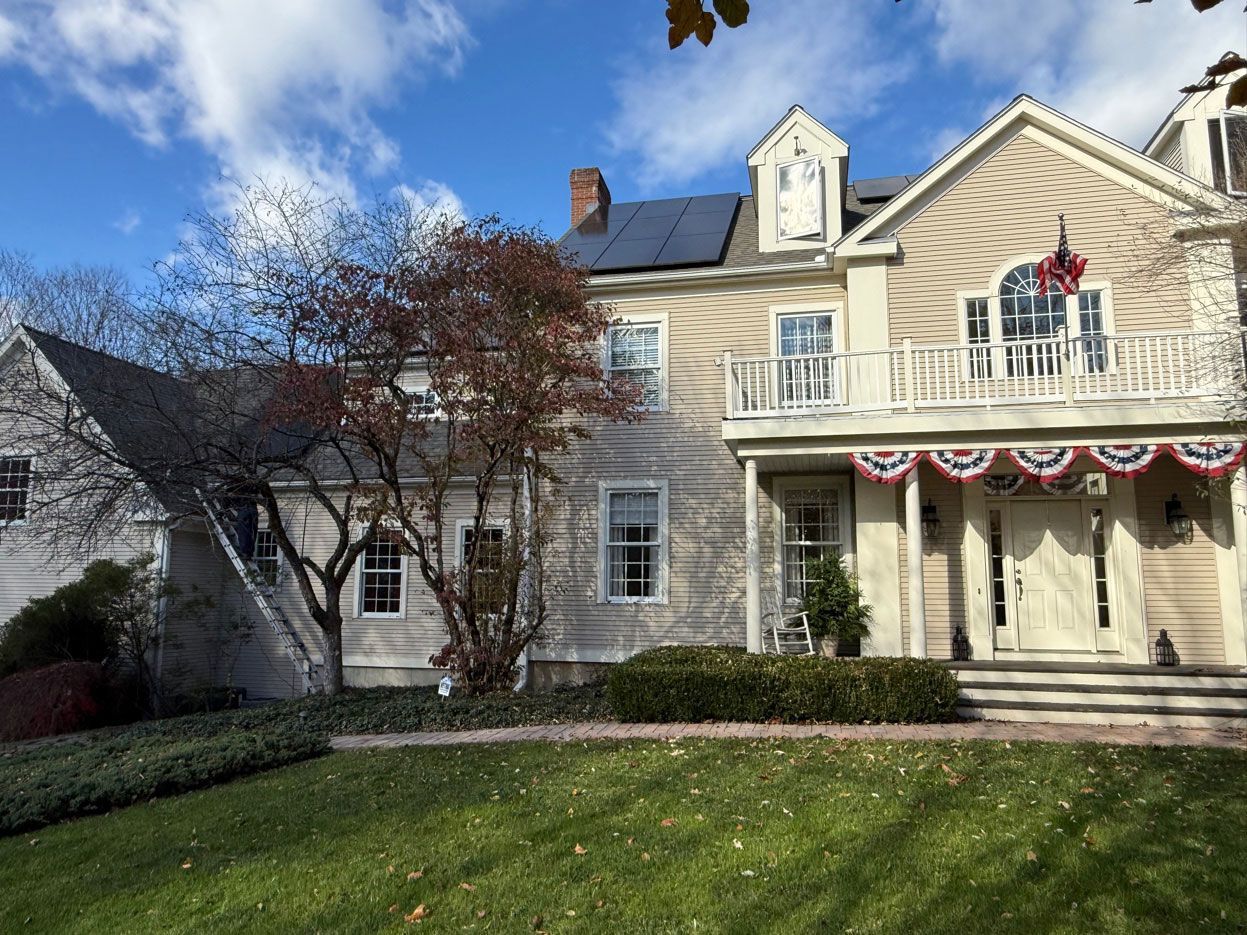
Madison includes shoreline properties exposed to coastal weather and wooded inland homes with long eaves, additions, and dormers. Similar patterns appear in Guilford, Clinton, Westbrook, and Old Saybrook, yet each roof handles snowmelt differently. CT GutterPro inspects the roof-edge drainage path before planning roof and gutter heat cable installation. This guide explains why dams return, how drainage contributes, and when cable belongs in the plan.
How an Ice Dam Forms at the Roof Edge
An ice dam begins when heat reaches the roof deck beneath snow and causes melting higher on the slope. The water travels downward until it reaches a colder overhang, eave, gutter, or shaded section, where it refreezes. Each new melt-and-freeze cycle adds ice and narrows the available drainage path. Once the frozen ridge is tall enough, water can remain above roofing materials that were designed to shed water downhill.
The University of Minnesota Extension explains that backed-up water can leak into walls, ceilings, insulation, and other parts of a home. Icicles may appear at the same time, but they do not reveal the entire condition under the snow. A clear day can also create solar melting even when air temperatures remain low. The important question is where the water came from and which cold section stopped it.
Why Ice Dams Keep Returning on Madison Homes
Ice dams recur when the same combination of snow, roof heat, cold eaves, and restricted drainage returns. The source is not always a single defect, and several small conditions can overlap. A useful assessment follows the sequence from the heated living space to the roof edge and then through the gutter discharge.
Common contributors include:
- Attic air leakage: Warm air escapes around penetrations, lights, hatches, or transitions and warms the roof deck.
- Uneven insulation: Thin or disturbed insulation creates warm roof areas beside colder eaves.
- Complicated roof geometry: Valleys, dormers, porch roofs, additions, and inside corners concentrate snow and runoff.
- Sun and shade differences: One roof plane melts while another stays cold, sending water toward a shaded edge.
- Clogged gutters: Leaves, needles, granules, and debris reduce the channel available for winter water.
- Poor gutter pitch: Standing water freezes repeatedly in low sections and adds weight to the gutter.
- Frozen downspouts: An open gutter cannot drain when the outlet or leader is blocked by ice.
- Damaged roof-edge components: Loose gutters, failed drip edge, rotted fascia, or roofing defects can worsen water entry.
| Recurring pattern | Likely contributor | Useful next step |
|---|---|---|
| Snow melts in patches above heated rooms | Air leakage or uneven insulation | Request an energy or insulation assessment |
| Ice concentrates at one valley | Roof geometry and concentrated runoff | Evaluate a targeted drainage path |
| Gutter freezes from end to end | Debris, standing water, or outlet restriction | Clean, flush, and check pitch |
| Downspout becomes a solid ice column | Leader or discharge path freezes | Inspect the full outlet route |
| One shaded side has repeated buildup | Solar and exposure differences | Map the exact recurring freeze zone |
| Water stains appear indoors | Backed-up water or roof defect | Arrange prompt roof and moisture evaluation |
Warning Signs Show Where the Drainage Path Fails
Homeowners often notice the largest icicle instead of the earliest sign. The most useful observations show where water first slows, freezes, or changes direction. Photos from several weather cycles can reveal whether the condition returns after snow, daytime melting, or a temperature drop.
Watch for:
- A ridge of ice at the eave with snow or slush remaining above it.
- Frozen water filling a gutter channel instead of flowing toward the outlet.
- Icicles concentrated below one valley, inside corner, or downspout.
- A downspout that stays frozen after nearby roof snow begins melting.
- Water dripping behind the gutter or staining the fascia and soffit.
- Damp attic insulation, ceiling discoloration, peeling paint, or musty odors.
- Sagging gutters, separated seams, loose hangers, or fascia movement after ice buildup.
- Repeated ground ice where a downspout discharges beside a walkway or foundation.
Do not climb onto a snowy roof or strike an ice dam with an axe, hammer, or sharp tool. Forceful removal can damage shingles, metal edges, gutters, and the person working below. Interior water, bulging ceilings, electrical exposure, or heavy hanging ice over occupied areas deserves prompt professional attention. Safe documentation from the ground is more useful than a risky attempt to inspect the roof closely.
How Roof Heat Cable Helps Maintain Winter Drainage
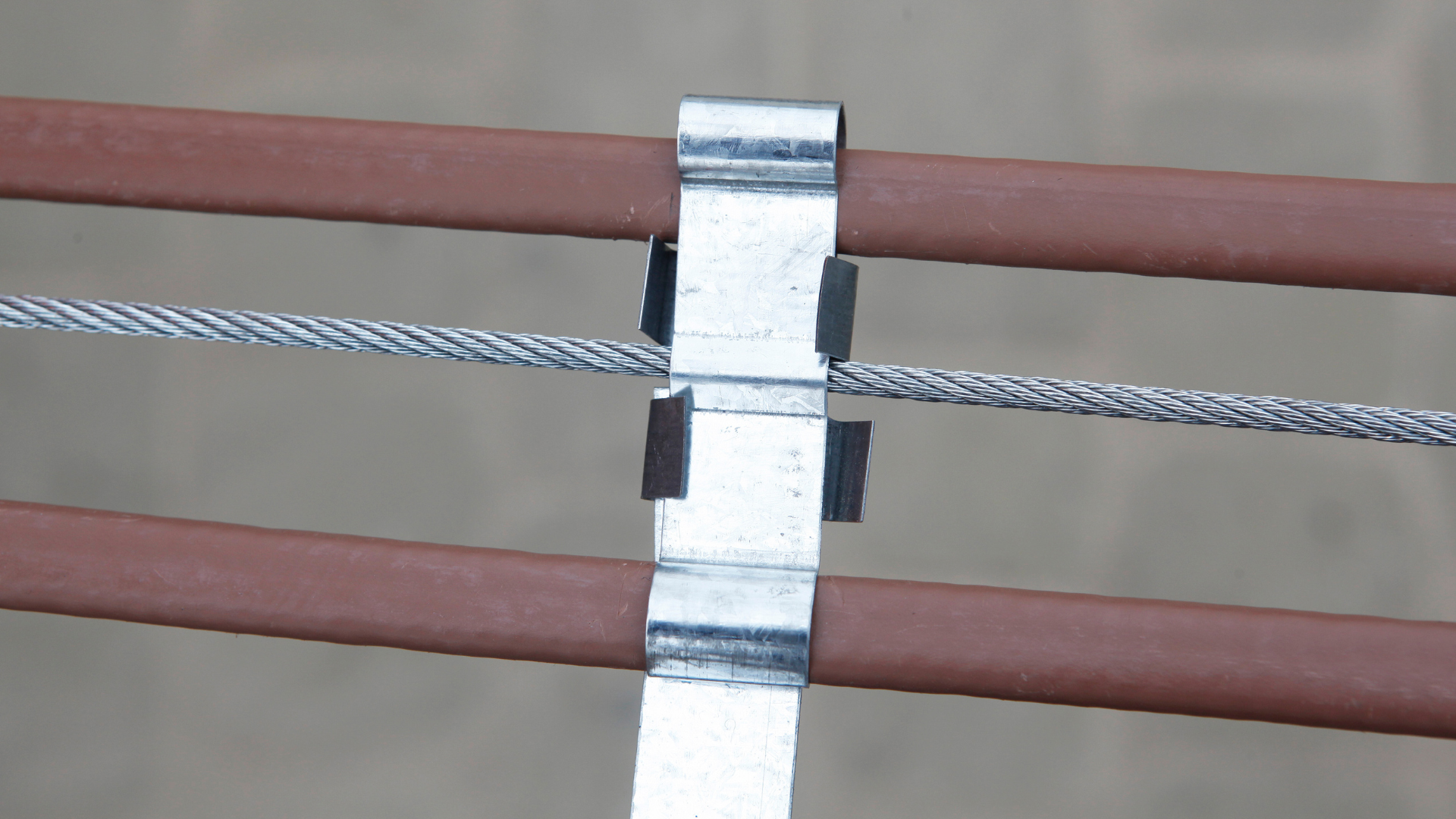
Roof heat cable warms a narrow, planned route through selected roof-edge, gutter, and downspout sections. It does not need to remove all snow or make the entire gutter warm. Its purpose is to preserve a channel so meltwater can cross a recurring freeze point and continue toward a safe discharge. This makes cable most useful where the winter pattern is predictable.
The layout may include a lower roof section, valley, gutter, and connected downspout. Stopping at the gutter can leave the leader frozen, while heating only the downspout does not release water behind an eave ridge. CT GutterPro designs the route around where ice develops instead of covering every roof edge. The route must carry water to a reliable discharge point. The benefit comes from continuity, not maximum coverage.
Gutters and Downspouts Can Worsen Ice Buildup
Gutters do not create every ice dam, but a system that holds debris or standing water can worsen winter buildup. Wet leaves freeze into blocks, low sections retain water, and restricted outlets keep a thaw from clearing the system. Once the downspout closes, later meltwater has nowhere to go.
Before cable is considered, check for:
- Leaves, needles, shingle granules, nests, or other material in the gutter and outlet.
- Standing water that remains after rain because the gutter pitch is incorrect.
- Loose hangers or gutter sections pulling away from the fascia.
- Leaking seams or end caps that release water onto siding, steps, or walkways.
- Crushed, disconnected, undersized, or obstructed downspouts.
- Underground leaders that back up and hold water at the bottom of the downspout.
- Rotted fascia or damaged roof-edge wood that cannot support a reliable installation.
| Gutter condition | Winter consequence | Correction before or with cable |
|---|---|---|
| Debris-filled channel | Water freezes around leaves and blocks flow | Complete cleaning and downspout flush |
| Incorrect pitch | Low section becomes a standing-water freeze point | Rehang or adjust the gutter |
| Loose hangers | Ice weight pulls the system farther from the fascia | Secure the system and inspect fascia |
| Blocked outlet | Gutter fills even when a channel opens above | Clear and test the outlet |
| Frozen downspout | Meltwater cannot reach ground discharge | Extend the cable route when appropriate |
| Poor ground discharge | Released water refreezes near the building | Correct the extension or drainage point |
A Madison gutter tune-up combines cleaning, system inspection, and minor corrections when the existing gutters remain serviceable. More significant movement, fascia damage, or leakage may call for gutter repair in Madison. Heat cable should support a working system, not hide its failure. Preparing the drainage route first improves the value of the installation.
Heat Cable Does Not Correct Major Heat-Loss Problems
When warm air reaches the roof deck, new snowmelt continues feeding the cold edge. The U.S. Department of Energy’s Building America Solution Center identifies attic air sealing, insulation, and appropriate roof ventilation as core measures for reducing ice-dam risk. Lights, attic hatches, plumbing penetrations, ducts, and wall transitions can create uneven heat patterns. An energy specialist may need to diagnose conditions hidden from the gutter line.
Cable can still be useful when a specific eave, valley, or downspout remains difficult after practical building improvements. Cathedral ceilings, low-slope transitions, additions, and inaccessible roof assemblies may limit what can be changed without major reconstruction. The honest recommendation may therefore combine building-envelope work with a targeted cable route rather than treating them as competing options. We point out when the ice pattern suggests another contractor should evaluate the home before installation.
A Reliable System Requires Planning and Safe Operation
Roof and gutter de-icing cable works outdoors in wet, freezing conditions, so the electrical plan is as important as placement. Use only products listed and labeled for the intended application, and follow the manufacturer’s rules for attachment, spacing, terminations, controls, and cable length. Pipe-heating tape should not be placed on a roof unless it is specifically approved for that use.
The plan should include:
- A measured cable route based on roof edges, valleys, gutters, and downspouts.
- Compatible clips and attachments that do not damage roofing materials.
- GFCI-protected power, which the Consumer Product Safety Commission recommends for heat-tape equipment.
- Adequate electrical capacity for the system, controls, and cable length.
- Approved outdoor connections positioned according to product instructions.
- Weather-responsive operation using suitable controls, thermostats, or sensors.
- Seasonal inspection for loose clips, cable damage, exposed conductors, or failed controls.
- A qualified electrician when a new circuit, receptacle, GFCI, controller, or other electrical work is required.
Never overlap, cut, splice, or shorten cable unless the manufacturer permits it. Damaged cable should be de-energized and serviced according to its instructions. Homeowners should not walk on icy roofs to check operation during a storm. Ground observations and testing before winter are safer.
Use a Decision Framework for Madison Ice-Dam Prevention
Start with the cause, then choose the least complicated combination that protects the home and keeps water moving. Recurring ice in one known location supports a different plan than widespread uneven snowmelt across the roof. The roof, gutters, downspouts, attic clues, and electrical supply should be considered together.
Use this framework:
- Clean and flush the drainage system when debris or an obstructed outlet is limiting flow.
- Repair gutters and fascia when sagging, leakage, poor pitch, or weak attachment contributes to freezing.
- Request an energy assessment when patchy snowmelt or warm attic areas suggest air leakage and insulation problems.
- Request a roofing assessment when shingles, flashing, underlayment, or roof penetrations may be allowing water entry.
- Install targeted heat cable when a recurring eave, valley, gutter, or downspout freeze point needs a maintained drainage channel.
- Extend the plan to the discharge point when water would otherwise leave a warm section and freeze downstream.
- Confirm electrical readiness before selecting the cable type, length, controls, or operating plan.
- Monitor after installation so changing roof, gutter, or electrical conditions are found before another winter.
The same process works in Guilford, Clinton, Westbrook, and Old Saybrook, but the layout changes by home. Wind, shade, tree cover, additions, long downspouts, and roof transitions affect where water refreezes. CT GutterPro evaluates the specific path instead of treating every Madison ice dam as identical. The final scope should explain what each step addresses.
Estimated 2026 Cost and Project Context
We price each Madison heat-cable project after measuring the route and inspecting the roof edge, gutter system, downspouts, access, controls, and electrical needs. CT GutterPro provides a free onsite estimate so homeowners receive a clear price based on their actual winter drainage problem. For general budgeting, HomeGuide’s 2026 roof heating cable cost guide lists about $5 to $15 per linear foot installed and an average project range of $500 to $2,000. These national figures are useful planning context, while cable length, roof geometry, preparation, access, and electrical work shape the property-specific estimate.
| Cost or scope item | 2026 planning context | Main variables |
|---|---|---|
| CT GutterPro onsite estimate | Free | Inspected freeze points and measured layout |
| Installed roof heating cable | $5 to $15 per linear foot nationally | Cable type, pitch, routing, stories, and access |
| Average national project | $500 to $2,000 | Coverage length, gutters, downspouts, and controls |
| Existing-gutter cable retrofit | $400 to $1,400 nationally | Gutter length, outlets, leaders, and condition |
| Drainage preparation | Separate inspected scope | Cleaning, pitch, hangers, repairs, and fascia |
| Electrical preparation | Separate inspected scope | GFCI, circuit, receptacle, controls, and permits |
Build a Complete Winter Drainage Plan for Your Madison Home
Recurring ice dams usually involve more than the frozen ridge visible from the driveway. CT GutterPro traces the path from the roof edge through the gutter, outlet, downspout, and discharge point before recommending roof heat cable. We also identify when cleaning, repair, roofing, insulation, ventilation, or electrical preparation should come first. The goal is a focused system that supports drainage without promising that cable solves every winter condition.
If the same Madison eave, valley, gutter, or downspout freezes after each snowfall, take ground-level photos and arrange an assessment before the next severe cold period. Explore our roof and gutter heat cable installation or request a free onsite estimate. We serve Madison, Guilford, Clinton, Westbrook, Old Saybrook, and surrounding Shoreline communities. Our team will explain what is feeding the ice, where cable can help, and which corrections belong in the plan.