
Downspout Extension and Yard Drainage Solutions in Woodbridge, CT
CT GutterPro designs and installs complete water drainage systems for homeowners throughout Woodbridge, CT. Your gutters collect water from the roof and move it toward the downspouts. But where that water goes once it reaches the ground matters just as much. A downspout that discharges at the foundation, a yard with poor grading, or a driveway that sends water toward a garage or basement entrance are all drainage problems that a functioning gutter system alone cannot solve.
We complete the water management chain from the roofline down.
We will get back to you as soon as possible.
Please try again later.

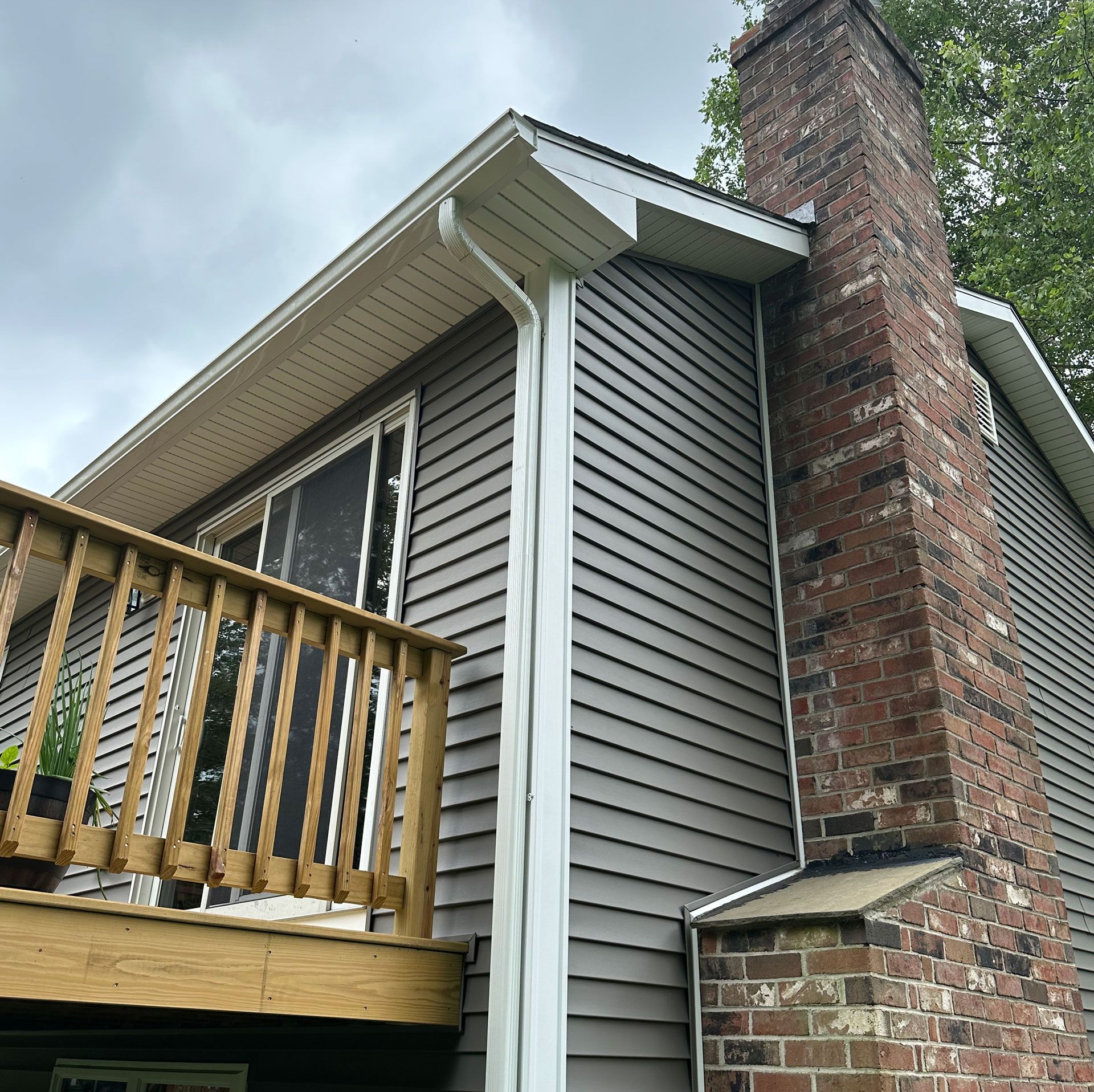
Yard Drainage Solutions We Provide
Every Woodbridge property has a different water drainage challenge. The right solution depends on lot grading, soil conditions, roof size, drainage volume, and where that water can be discharged safely. On larger residential lots, estate properties, sloped sites, and homes with long rooflines, we assess the full property before recommending anything.
Downspout Extension
A downspout extension is the most direct and cost-effective yard drainage solution for many Woodbridge homes. When a downspout discharges at the base of the foundation, every storm sends concentrated roof water directly against the basement wall. We install rigid aluminum surface extensions and buried PVC extensions that carry downspout discharge well away from the foundation and toward a safer discharge point.
We install surface-level extensions, rigid aluminum elbowed extensions for tighter areas, and buried underground PVC systems routed away from the structure and discharged at a safe location or into a dry well. On larger homes with 6-inch gutters and 3x4 oversized downspouts, the extension system must also be sized to handle the greater drainage volume rather than restrict the upgraded gutter system at ground level.
French Drainage System
A French drainage system uses perforated pipe set in a gravel-filled trench to intercept subsurface water moving through the soil and redirect it away from the home or affected area. A French drainage system is appropriate when water is moving through saturated soil toward the foundation rather than coming only from surface runoff or downspout discharge.
We design and install French drainage systems for Woodbridge properties with basement seepage, sloped-lot water movement, saturated soil, and persistent wet areas near foundations or low points in the yard. On larger properties, the system can be coordinated with roof drainage so the home is not solving one water source while allowing another to continue affecting the same area.
Dry Well Drainage
A dry well is an underground chamber filled with gravel or fitted with a perforated tank that collects water from a downspout extension, French drainage system, or surface runoff and allows it to slowly percolate into the surrounding soil. Dry well drainage is a strong option where water needs to be managed on site rather than routed to a visible surface discharge point.
Dry well drainage works best where soil permeability and site conditions support infiltration. We size the dry well according to roof area and expected drainage volume so the system is designed around the property's actual water load. For Woodbridge homeowners investing in
residential drainage solutions in Woodbridge, CT, pairing buried downspout drainage with a correctly sized dry well can provide a clean, high-capacity solution that remains largely out of sight.
Channel Drain
A channel drain is a surface-mounted linear drain installed across a driveway, patio, pool surround, or other hard surface where water sheets or pools toward the home. It intercepts surface water before it reaches a garage, basement entrance, patio door, foundation wall, or another vulnerable area and routes it toward a safer discharge point.
For Woodbridge homes with sloped driveways, large patios, pool areas, or hardscaped entrances, a channel drain can be one of the most direct ways to control surface runoff. We cut the trench, install the drain body and grate, and connect the outlet to a properly routed discharge line sized for the area it serves.
Drain Rain Gutter Underground Systems
In addition to surface extensions, we install buried drainage systems that connect directly to the base of the downspout and carry roof water underground through solid PVC pipe to a discharge location well away from the home. These systems are especially valuable on larger Woodbridge properties where visible extensions would cross lawns, walkways, driveways, landscaped areas, or other high-use parts of the property.
We route the pipe with proper slope, install access cleanouts where appropriate, and terminate the run at a pop-up emitter, dry well, or other safe discharge point based on the site's drainage conditions.
How We Assess Your Water Drainage Problem
A water drainage problem is rarely caused by one factor. Roof runoff, surface grading, soil permeability, lot topography, driveway pitch, landscaping, and existing gutter capacity all interact. Before recommending a solution, we walk the full Woodbridge property, observe where water is moving and pooling, review every downspout discharge point, and evaluate how the grade around the foundation is influencing water movement.
That site assessment is what separates a drainage solution that works from one that simply moves the problem to another part of the property. We design from the full water-management picture, especially on larger or more complex residential properties where multiple roof sections and drainage sources can converge.
When Drainage Solutions and Gutter Work Go Together
One of the most common situations we see is a gutter system that needs replacement, repair, or added capacity combined with downspouts that discharge too close to the home or a drainage system that was never designed for the amount of roof water being collected. We can coordinate both parts of the project so the roofline and ground-level drainage work as one system.
If you are replacing undersized gutters with a 6-inch seamless system, adding 3x4 oversized downspouts, or redesigning outlet locations on a large Woodbridge roofline, it is often the ideal time to add buried drainage, downspout extensions, or a dry well. The new gutter system should not move more water efficiently only to deposit it at the foundation.
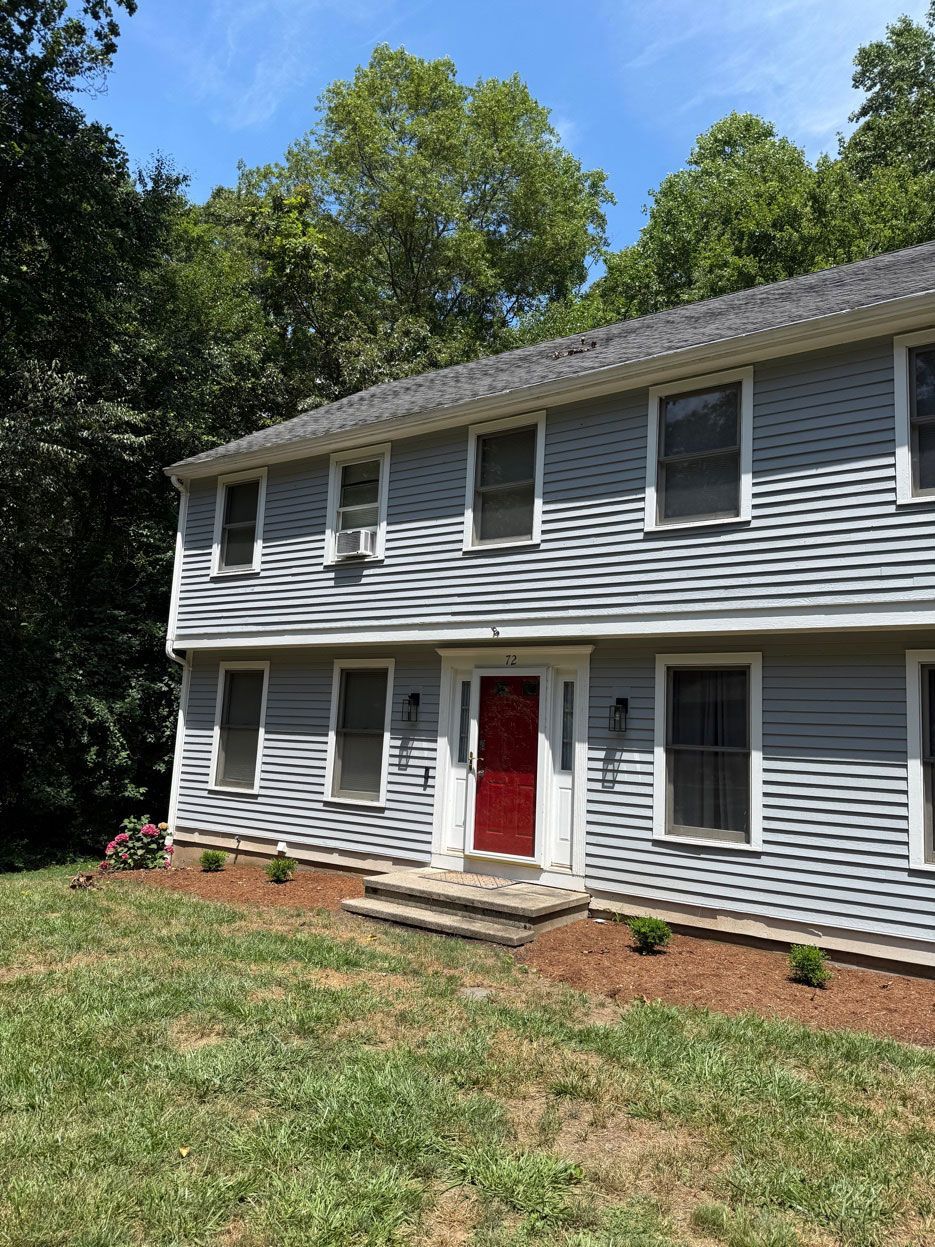
Serving Woodbridge, CT
CT GutterPro provides downspout extension and residential drainage solutions throughout Woodbridge, including larger single-family homes, wooded properties, estate-style residences, sloped lots, historic homes, and architecturally detailed properties where roof runoff and site drainage need to be considered together.
Our crews serve homeowners near Amity Road, Litchfield Turnpike, Center Road, Racebrook Road, Rimmon Road, Newton Road, Beecher Road, and residential areas throughout town.
For comprehensive drainage projects that extend beyond roofline and downspout work, CT GutterPro can coordinate with dedicated drainage specialists where broader site work is required.
Licensed and insured. Owner operated since 1986.
What a Customer Said
"I had water coming into my basement for years. CT GutterPro replaced the gutters and addressed the grading issue. Problem solved." — Ayana N., Branford
Get a Free Drainage and Downspout Extension Estimate
Tell us what you are seeing on your Woodbridge property. Standing water, basement moisture, downspouts discharging too close to the foundation, driveway runoff, or an upgraded gutter system that needs a better discharge plan. We will walk the full property and provide a clear recommendation with exact pricing. For homeowners investing in residential drainage solutions in Woodbridge, CT, that may include buried downspout systems, French drains, dry wells, channel drains, foundation runoff correction, or a coordinated high-capacity drainage system tied to new 6-inch gutters and 3x4 downspouts.
We will get back to you as soon as possible.
Please try again later.