
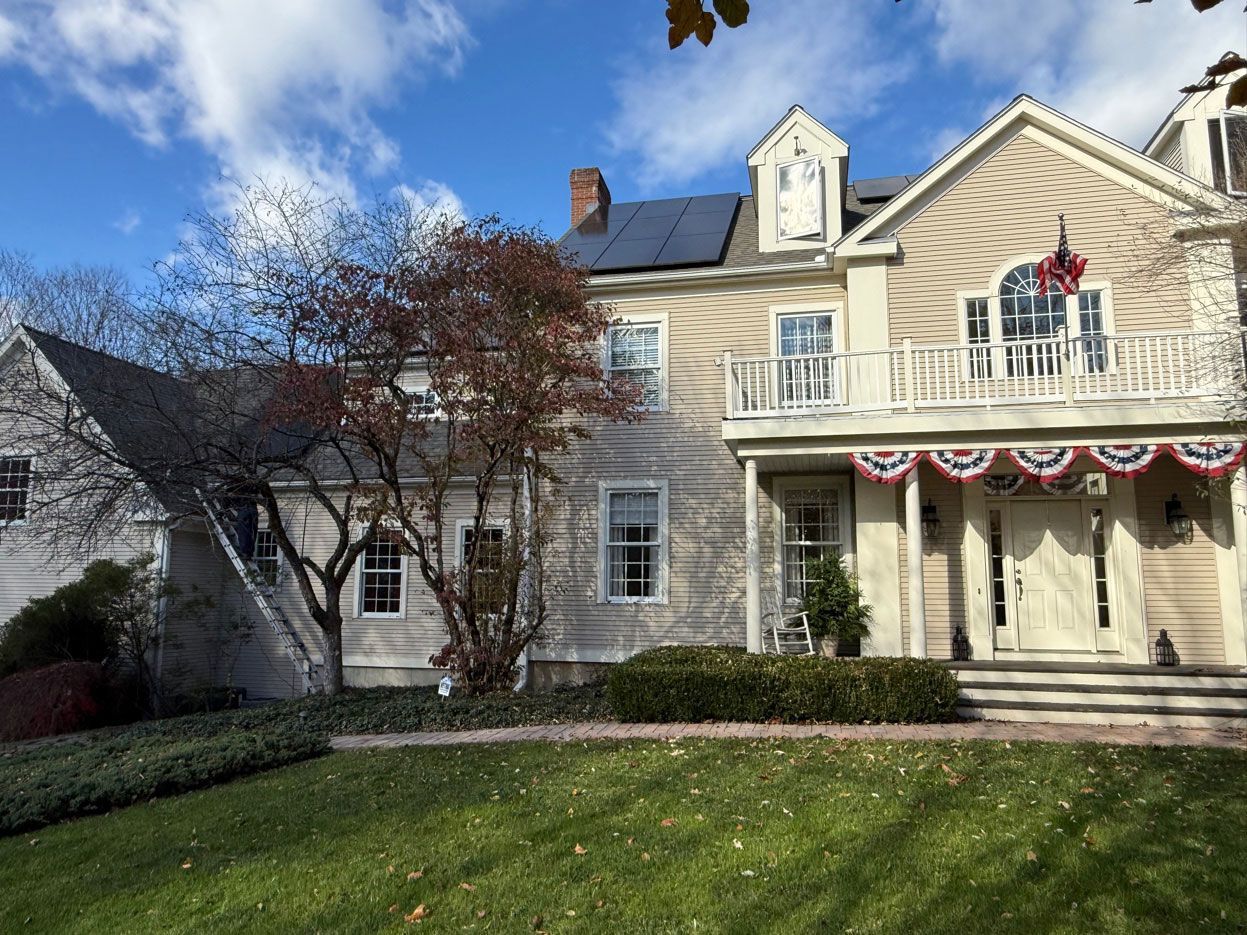
5 Gutter Problems Madison Homeowners Should Fix Before Freezing Weather

Every gutter system, regardless of construction method, has to manage the expansion and contraction that comes from temperature change. Metal expands when heated and contracts when cooled, and Connecticut's climate produces significant temperature swings across every season: hot, humid summer days followed by cool nights, and winter conditions that cycle through freezing and thawing repeatedly.
A gutter problem that seems minor during a mild rain can become far more disruptive when wet debris freezes, standing water expands, and winter precipitation adds weight to the roofline. Madison homes face a mix of mature tree cover, coastal exposure, older fascia, and rooflines that have changed as houses were expanded over time. Those conditions make a careful inspection more useful than a quick glance from the driveway. The goal is not to repair every cosmetic flaw, but to identify the defects that keep water from leaving the roof safely.
At CT GutterPro, we approach gutter repair in Madison, CT as a water-management decision. We trace the symptom to its cause, check the surrounding gutter and fascia, and explain whether cleaning, adjustment, localized repair, or replacement makes sense. That protects homeowners from paying for work that does not solve the actual problem. It also makes it easier to prioritize repairs before freezing weather narrows the safe working window.
Why Small Gutter Problems Grow Once Water Freezes
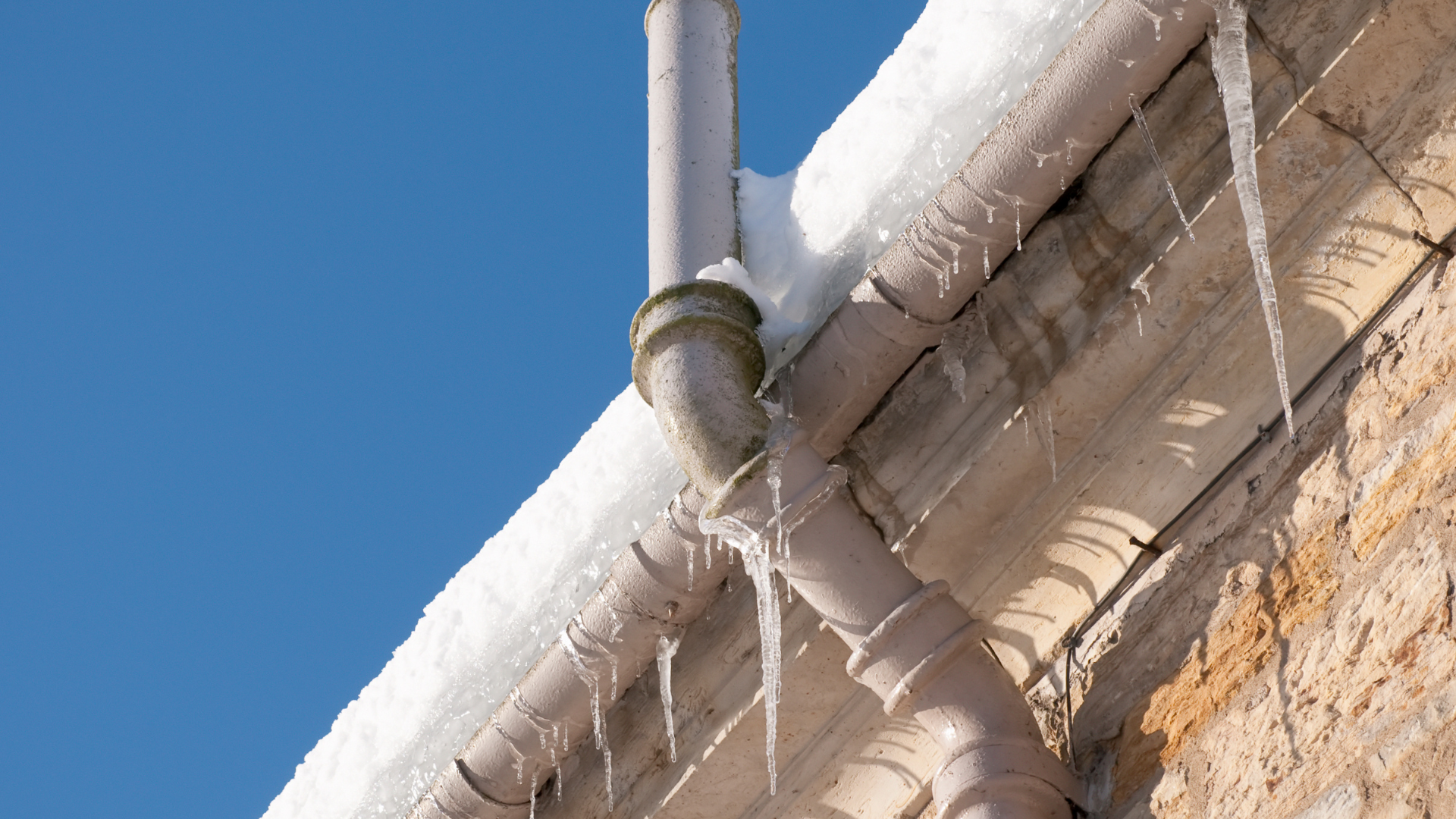
Water should move from the roof, through the gutter, into the downspout, and away from the home without lingering. A sag, blocked outlet, open seam, or incorrect pitch interrupts that path and leaves water in the system. When temperatures fall, trapped water can freeze and expand while adding weight to already stressed hangers and joints. The result may be a larger leak, a pulled fastener, or a gutter section that shifts farther out of alignment.
Winter also makes existing weaknesses harder to diagnose because ice can hide the original defect. The UConn Extension winter storm preparedness guidance recommends keeping gutters clean and the home in good structural condition before storms arrive. The EPA also advises homeowners to clean and repair roof gutters regularly and keep water from collecting near the foundation. A final flow check helps separate a simple debris problem from a repair that should be completed before repeated freeze and thaw cycles.
| What You See | Likely Concern | Why It Matters Before Freezing Weather |
|---|---|---|
| Water remains after rain | Poor pitch or a low spot | Standing water adds weight and can freeze |
| Drips at a seam or end cap | Failed seal or joint movement | Freeze and thaw can widen the opening |
| Gutter edge looks uneven | Loose hanger or softened fascia | Snow, ice, and debris add more load |
| Water runs behind the gutter | Attachment, flashing, or fascia issue | Roof runoff can wet wood and siding |
| Overflow near a downspout | Debris or outlet restriction | Water may spill against the home |
1. Sagging Gutters That Hold Standing Water
Sagging gutter repair begins with finding out why the low spot formed. Hangers may be loose, spaced too far apart, or fastened into wood that no longer holds securely. A heavy load of wet leaves can also bend a section or exaggerate a pitch problem that was already present. Simply pushing the gutter upward does not correct any of those underlying conditions.
Homeowners can look from the ground after a rain and note where water remains or where the front edge visibly dips. Avoid climbing onto a wet or frosty ladder to inspect the channel. Useful observations to share with a technician include:
- Whether the sag appears only when the gutter is full
- Whether water remains for hours after the rain stops
- Whether the gutter is pulling away from the fascia
- Whether nearby downspouts are flowing normally
- Whether the problem started after a branch impact or major storm
When the metal is sound and the fascia is solid, tightening or replacing hangers and restoring pitch may solve the problem. If the gutter is bent, cracked, heavily corroded, or attached to deteriorated wood, the repair must address more than the hanger. Our Madison gutter service team evaluates the whole affected run so the corrected section can carry water without shifting the problem farther down the roofline.
2. Leaking Seams, Corners, and End Caps
Leaking gutters often show up as drips at corners, end caps, or joints between sectional pieces. Sealant can shrink, separate, or lose adhesion as the metal moves with temperature changes, but a leak can also come from a joint that is misaligned or repeatedly submerged because the pitch is wrong. Reapplying sealant without cleaning and preparing the surface may hide the drip for a short time while leaving the actual cause untouched. A proper repair includes confirming that the joint is stable, dry enough to bond, and not being forced apart by movement elsewhere.
Look for dark streaks below a joint, splash marks on siding, washed-out mulch, or water that appears behind rather than beneath the gutter. These clues help distinguish a leaking seam from roof runoff passing over the back edge. Our gutter repair process checks the joint, nearby hangers, pitch, outlet flow, and fascia before resealing. If several seams are failing across an older sectional system, replacement may provide better value than repairing one leak at a time.
3. Loose Hangers and Gutters Pulling From the House
Gutter hangers transfer the weight of the system and the water inside it to the roofline. A loose gutter hanger can create a small gap that allows water behind the gutter, while several failed hangers can let an entire run rotate or pull away. The gap may be easiest to see at the corners or when the gutter is full. Freezing water and packed debris make the load heavier, which is why attachment problems deserve attention before winter.
Common reasons loose gutter hangers develop include:
- Fasteners that have backed out over time
- Hangers installed with excessive spacing
- Repeated loading from clogged, water-filled gutters
- Wind or branch impact that twisted the gutter
- Fascia wood that has softened around the fastener
The condition of the mounting surface determines the right repair. Solid fascia may allow new or repositioned hangers, while damaged wood needs correction before the gutter is secured again. Installing a larger fastener into compromised wood is not a dependable fix. We test the attachment area and document any wood damage so the homeowner understands whether the job is a simple reattachment or a combined gutter and fascia repair.
4. Incorrect Pitch That Slows or Reverses Flow
Gutters are meant to look nearly level, but they need a controlled slope toward the downspout. If the pitch is too flat, water can remain in the channel; if it slopes away from the outlet, the far end may fill and overflow. A visible waterfall does not automatically mean the gutter is too small because a low spot or partial outlet blockage can produce the same symptom. Checking flow across the full run is therefore more reliable than judging one overflow point.
A
gutter pitch repair may be needed when hangers loosen, fascia moves, or a ladder dents the run. During a
gutter tune-up, we clean the system, clear the downspouts, inspect attachments, and make minor pitch corrections where the existing materials remain serviceable. A severely twisted or stretched run may not hold the corrected alignment and could require section replacement. The decision should be based on whether the repaired gutter maintains continuous drainage, not whether it merely appears straighter from the ground.
| Condition | Maintenance May Be Enough | Targeted Repair Is Likely | Replacement May Be Smarter |
|---|---|---|---|
| Slow flow | Debris is the only restriction | Hangers or pitch need adjustment | Multiple runs repeatedly lose pitch |
| One low spot | Minor buildup causes pooling | A limited section is misaligned | Metal is bent along most of the run |
| Overflow | Outlet clears after flushing | Outlet or slope needs correction | System is undersized or broadly failing |
| Repeat problem | Cleaning schedule was missed | Original attachment needs improvement | Prior repairs no longer hold |
5. Fascia Damage Behind the Gutter
The fascia board supports the gutter, so fascia damage changes the repair from a metal-only job into a structural attachment issue. Peeling paint, staining, softness near fasteners, or a gutter pulling away in several places may indicate that water has been reaching the wood. The moisture source might be an overflowing gutter, water traveling behind the back edge, a roof-edge detail, or a leak above the gutter. Repairing the wood without correcting the water path invites the same damage to return.
Signs that the fascia deserves closer inspection include:
- Fasteners that will not tighten securely
- Dark staining directly behind a leaking section
- Soft, crumbling, or split wood at the roof edge
- Paint failure concentrated around hanger locations
- A gutter that pulls away again after reattachment
Localized solid wood may be preserved while only the damaged area is repaired, but widespread deterioration can justify a longer replacement section. The gutter may need to be removed temporarily so the condition behind it can be seen. We coordinate the fascia correction, attachment, pitch, and sealing as one water-management repair. This prevents the common mistake of attaching a sound gutter to a mounting surface that cannot carry it.
How Madison Conditions Affect Repair Priorities
Madison’s inland neighborhoods often have mature oak, maple, and hickory cover, while shoreline homes may experience more wind and salt exposure. Dense canopy increases debris volume and can hide outlets quickly, especially when different tree species drop leaves at different times. Coastal wind can drive rain toward joints and roof edges that stay dry during an ordinary shower. These conditions do not automatically mean a home needs more work, but they change what the inspection should test.
The same practical approach applies in Guilford, Clinton, Westbrook, and Old Saybrook, yet no recommendation should be based on the town name alone. A wooded Guilford property may need closer attention at outlets, while an exposed Old Saybrook roofline may show more movement or corrosion. Clinton and Westbrook homes with additions can have short gutter runs that concentrate water onto lower roofs or near shallow foundation areas. We prioritize the defects that interrupt flow, weaken attachment, or send runoff toward vulnerable parts of the specific home.
How to Decide What to Fix First
Start with safety and active water movement, not appearance. A gutter hanging loose above a doorway, water entering behind the fascia, or overflow reaching the foundation should be assessed promptly. Then address conditions that retain water, including clogs, low spots, failed pitch, and leaking joints. Cosmetic discoloration can usually wait until the system is confirmed to be structurally secure and draining.
Use this decision framework before authorizing work:
- Confirm the symptom. Note where water drips, pools, overflows, or runs behind the system.
- Find the cause. Separate debris from failed sealant, loose attachment, damaged metal, and deteriorated fascia.
- Check the extent. One stable defect favors repair; repeated failures across several runs may favor replacement.
- Correct the water path. Make sure pitch, outlets, downspouts, and discharge all work together after the repair.
- Verify the result. Use a controlled flow test and written findings instead of relying only on a dry-weather visual check.
Estimated 2026 Market Context
Our published repair guidance lists most Connecticut Shoreline gutter repairs at $150 to $500, depending on access, materials, damage, and scope. A joint or end-cap reseal may be around $150, rehanging a sagging section may run $200 to $400, and replacing a damaged or corroded section may run $300 to $500. These are CT GutterPro’s current planning ranges, not fixed quotes for every house. We provide exact written pricing after evaluating the affected gutter, fascia, and access conditions on site.
| CT GutterPro Service Example | Published Planning Range | Main Cost Factors |
|---|---|---|
| Reseal one joint or end cap | Around $150 | Preparation, access, joint stability |
| Rehang a sagging section | $200 to $400 | Length, hanger count, fascia condition |
| Replace a damaged section | $300 to $500 | Material, length, corners, access |
| Most Shoreline gutter repairs | $150 to $500 | Failure type, extent, height, materials |
The best use of a range is to decide whether an inspection is reasonable, not to diagnose the job from a photograph. If cleaning plus minor adjustments can restore reliable flow, our tune-up may be more appropriate than a larger repair. If corrosion, failed fascia, or repeated pitch loss affects most of the system, we will explain why replacement deserves consideration. That keeps the recommendation connected to the actual condition rather than a generic price category.
Fix Gutter Problems Before Winter Makes Them Harder
The best time to address a gutter defect is while the cause is visible and the system can still be tested with flowing water. CT GutterPro can inspect sagging sections, leaking joints, loose hangers, incorrect pitch, and fascia damage throughout Madison and the surrounding Shoreline. We explain what is urgent, what can be maintained, and what can be monitored. That gives you a practical plan instead of a blanket recommendation.
If you need gutter repair in Madison, CT, contact CT GutterPro for an on-site assessment and written estimate. Our team has served Connecticut homeowners since 1986 and is licensed and insured under HIC#0706616. We will trace the water path, document the condition, and recommend the smallest dependable scope that solves the problem. Scheduling before freezing weather also leaves time to correct related cleaning or fascia concerns safely.